A plant known across Asia as "the spinach of longevity" — entering the culture of Mediterranean fine dining for the first time. 14 years of cultivation, clinical experience, and high-cuisine gastronomy: one ingredient.
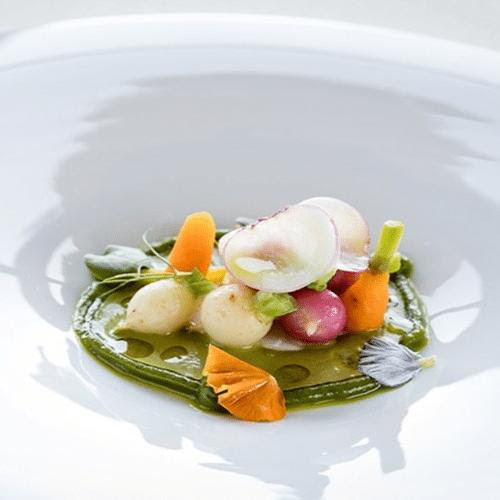
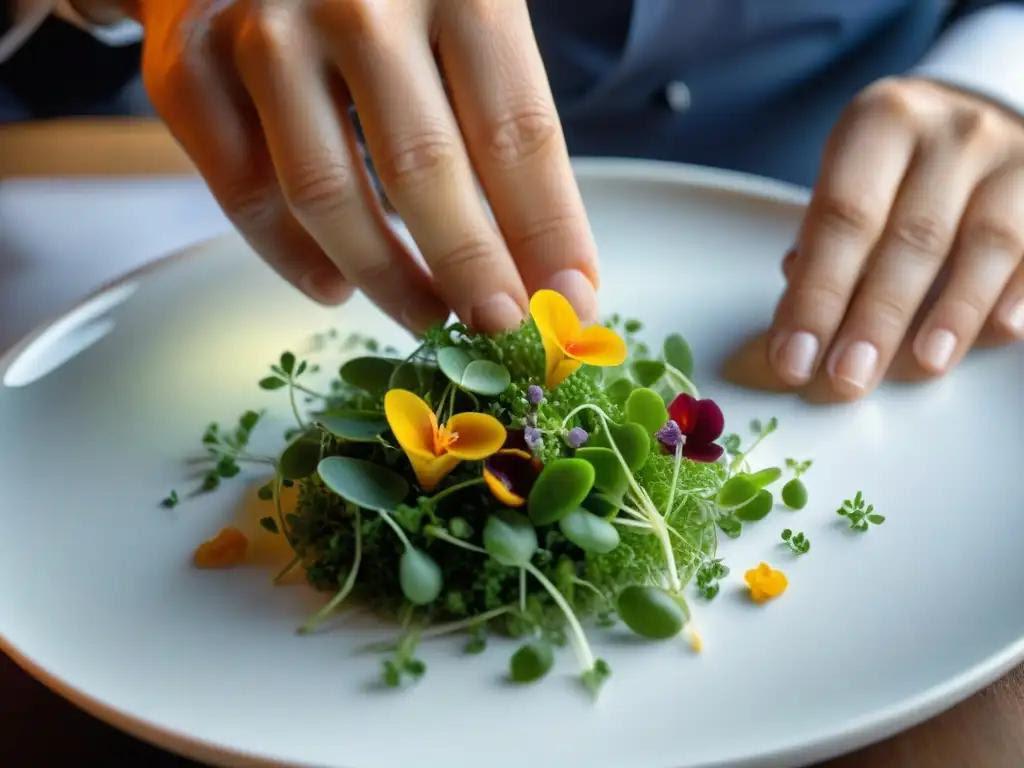
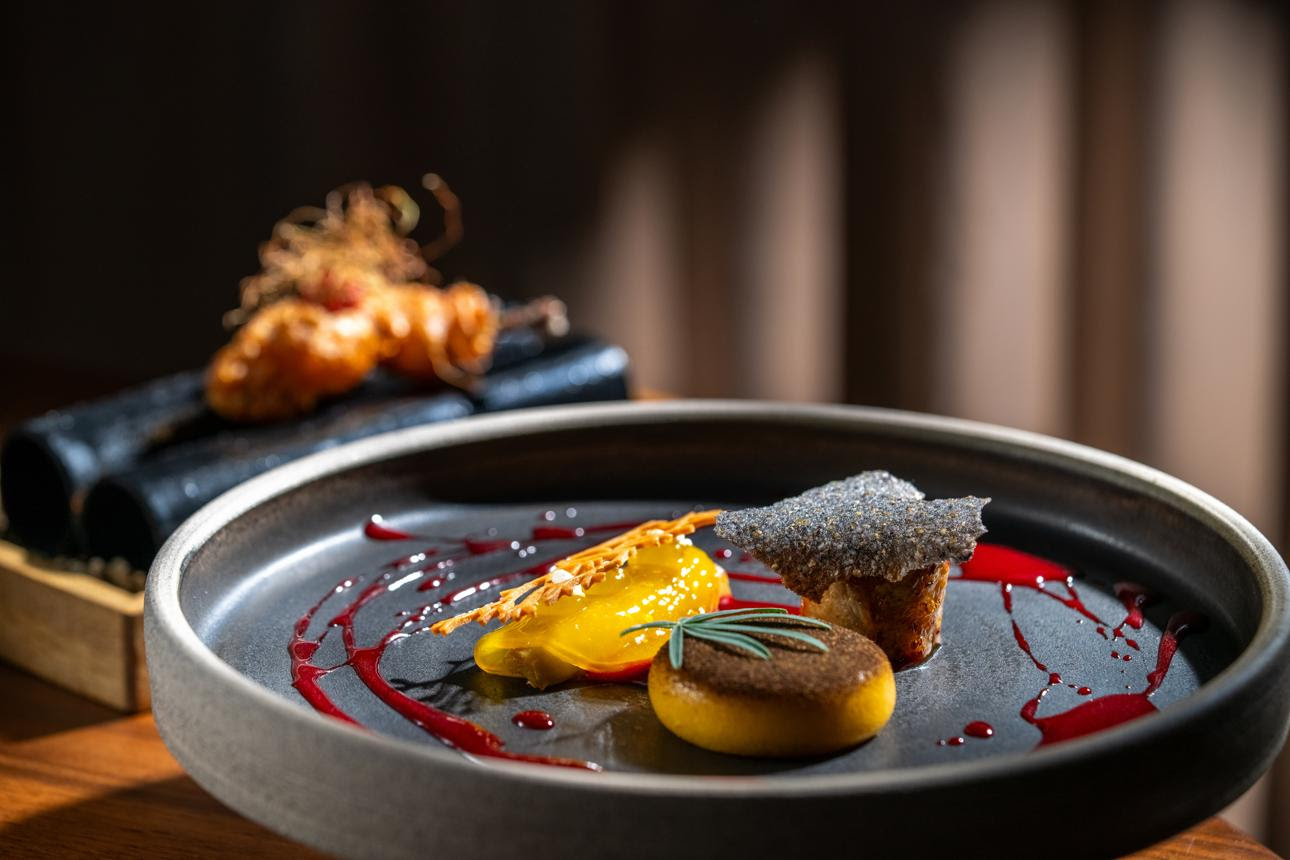
Gynura is an edible plant with over a thousand years of use across Asia — valued for its gentle influence on metabolic processes, ease of assimilation, and ability to support the body's internal balance. It has always been treated not as a supplement, but as a complete food in its own right.
Today it opens in a new way: as a gastronomic ingredient for high cuisine, and as part of a contemporary culture of conscious eating. Not a trend. Not a novelty. The next stage in the development of food.
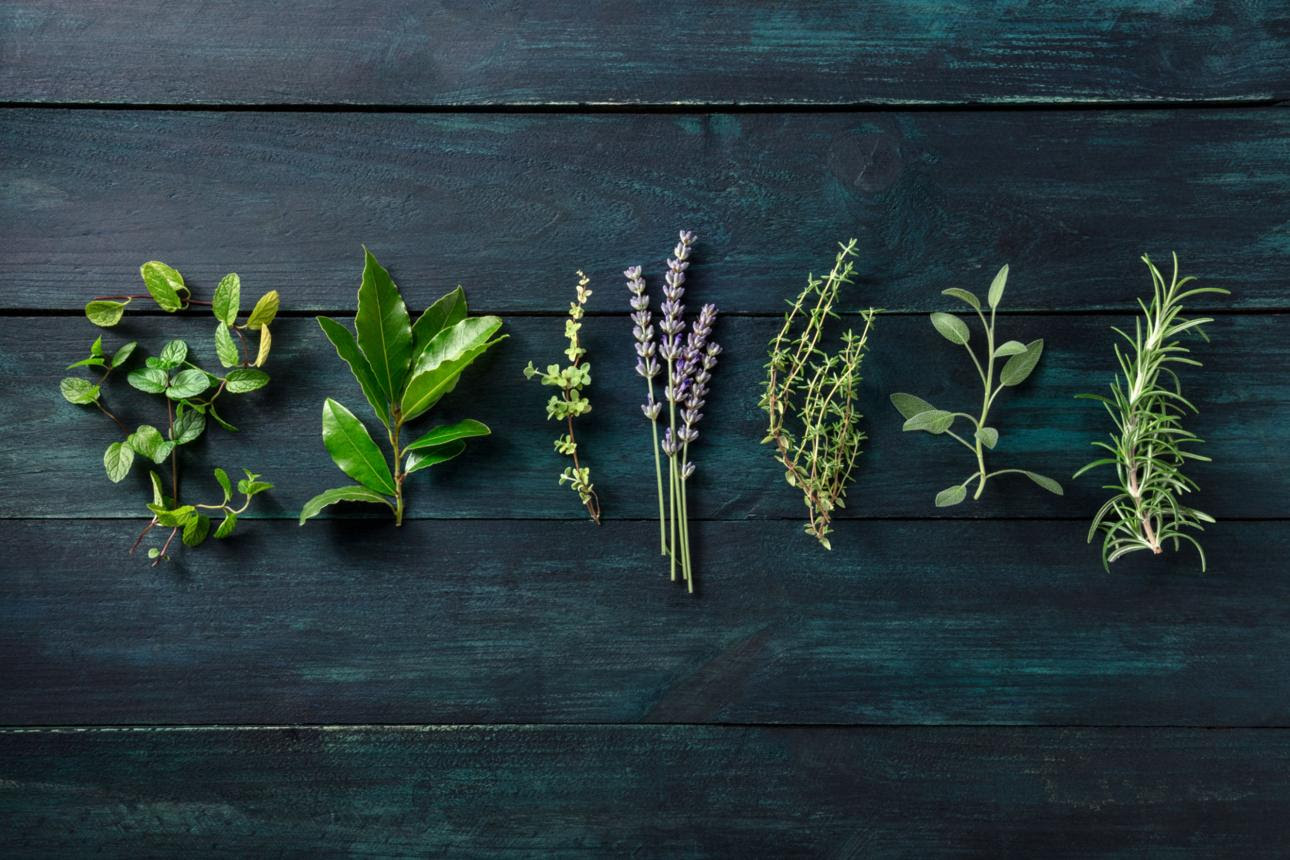
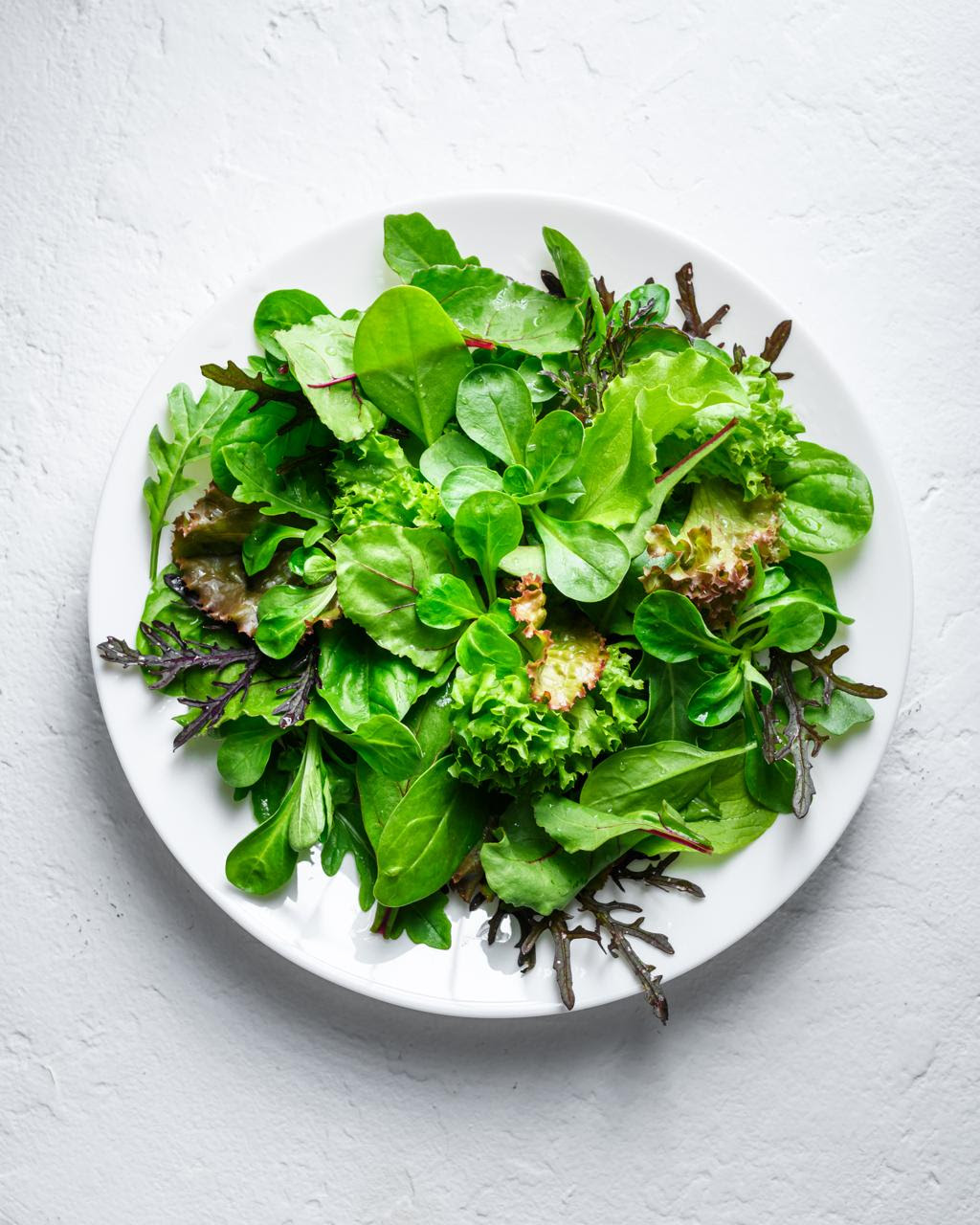
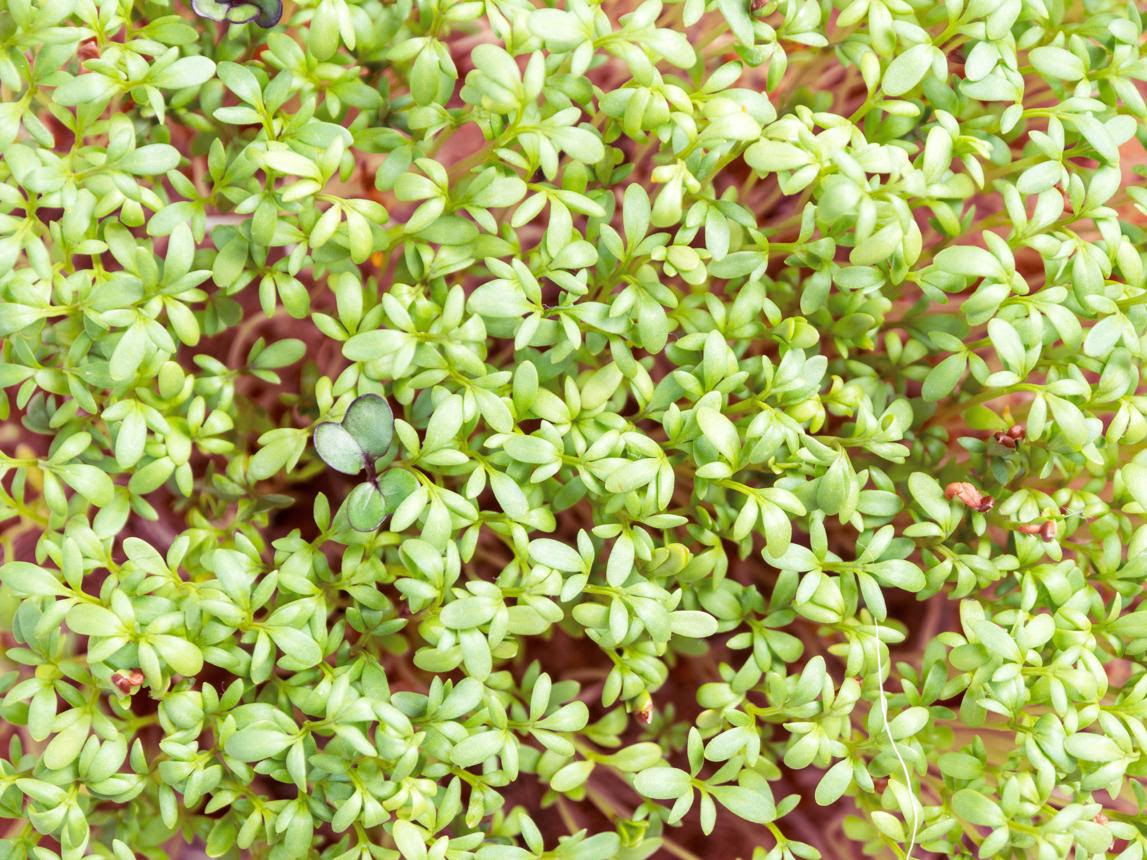
Gynura delivers a rare and precise flavour profile that bridges rather than competes:
It doesn't compete with other ingredients — it connects them, making the overall flavour deeper and the finish cleaner.
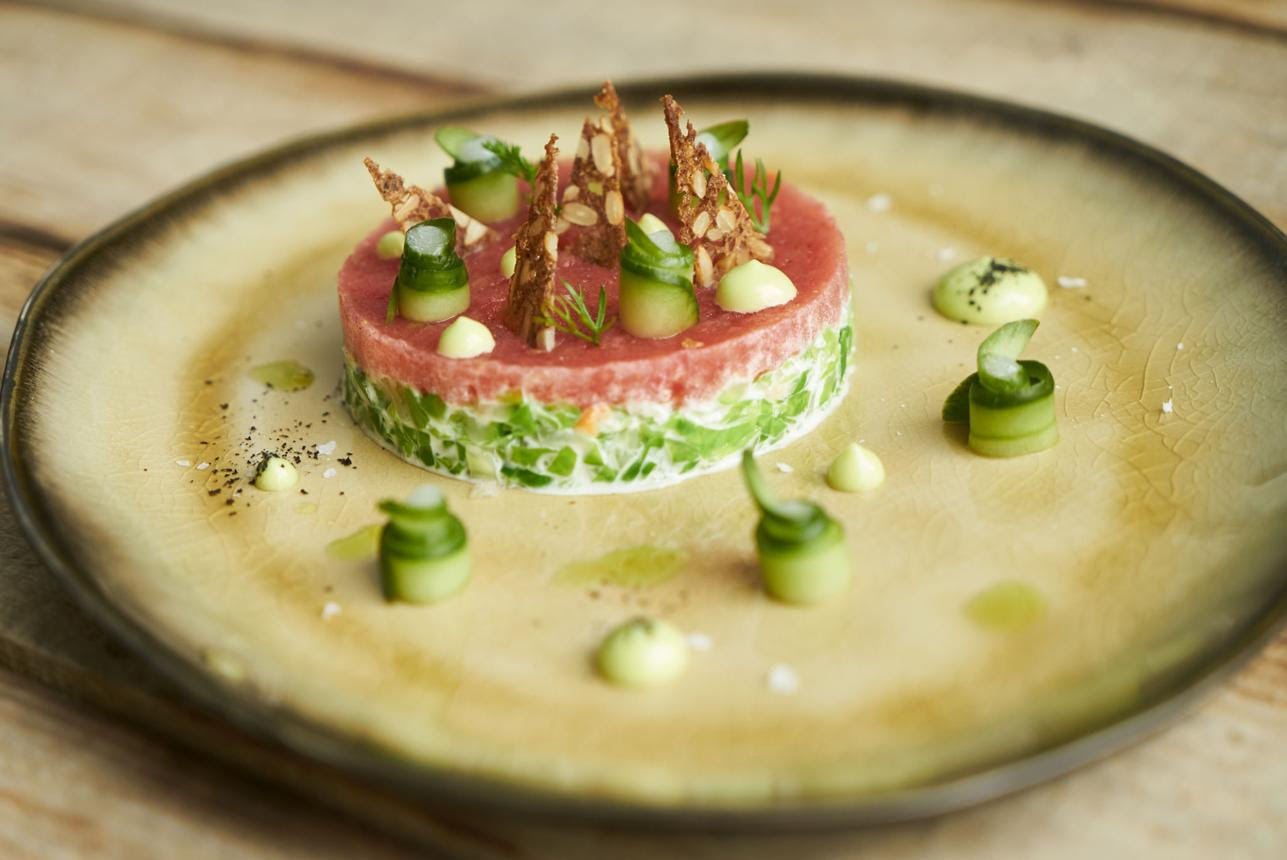
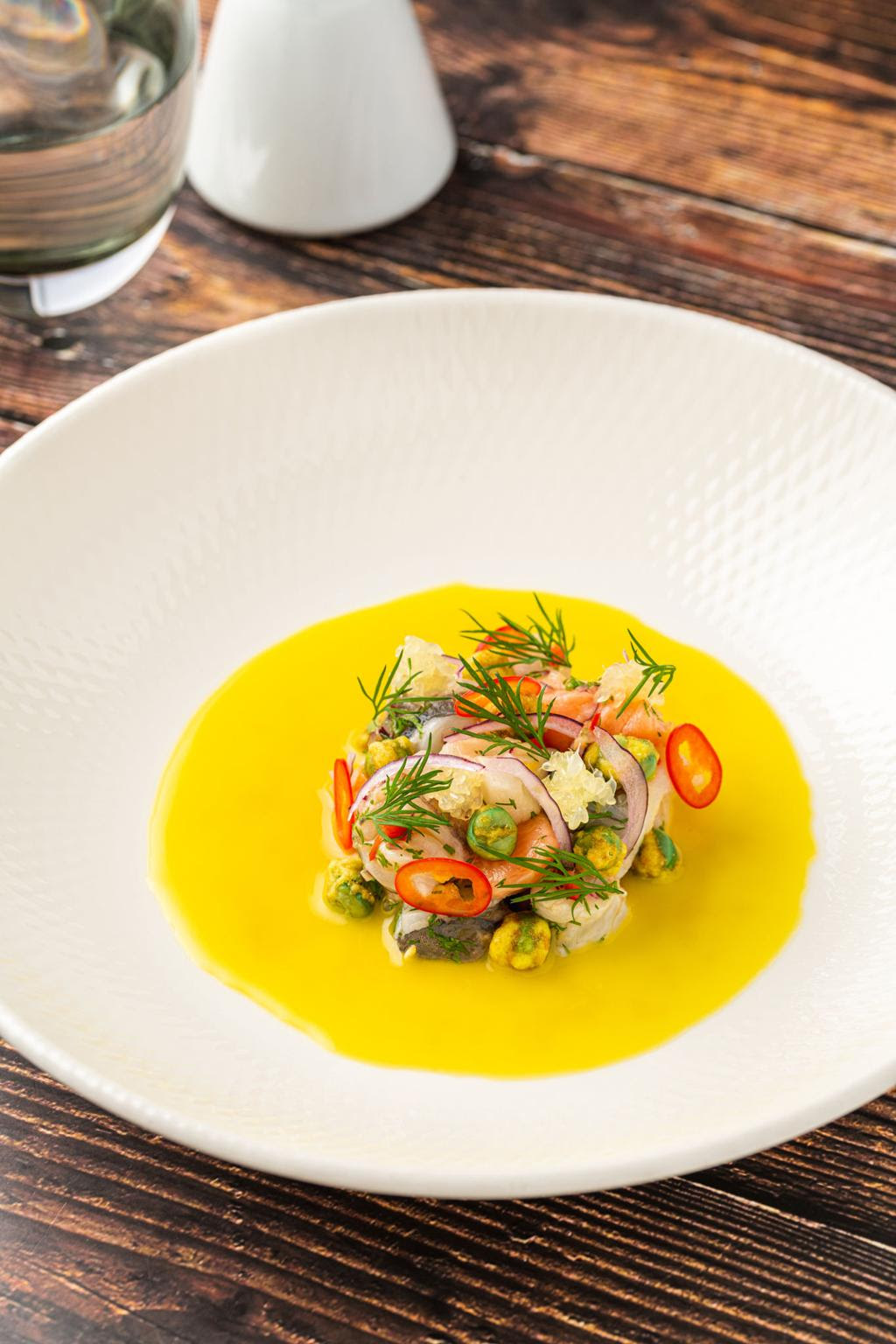
Gynura amplifies the natural sweetness of fish and seafood, softens richness, adds freshness without sharpness, and creates the sensation of a living, composed dish.
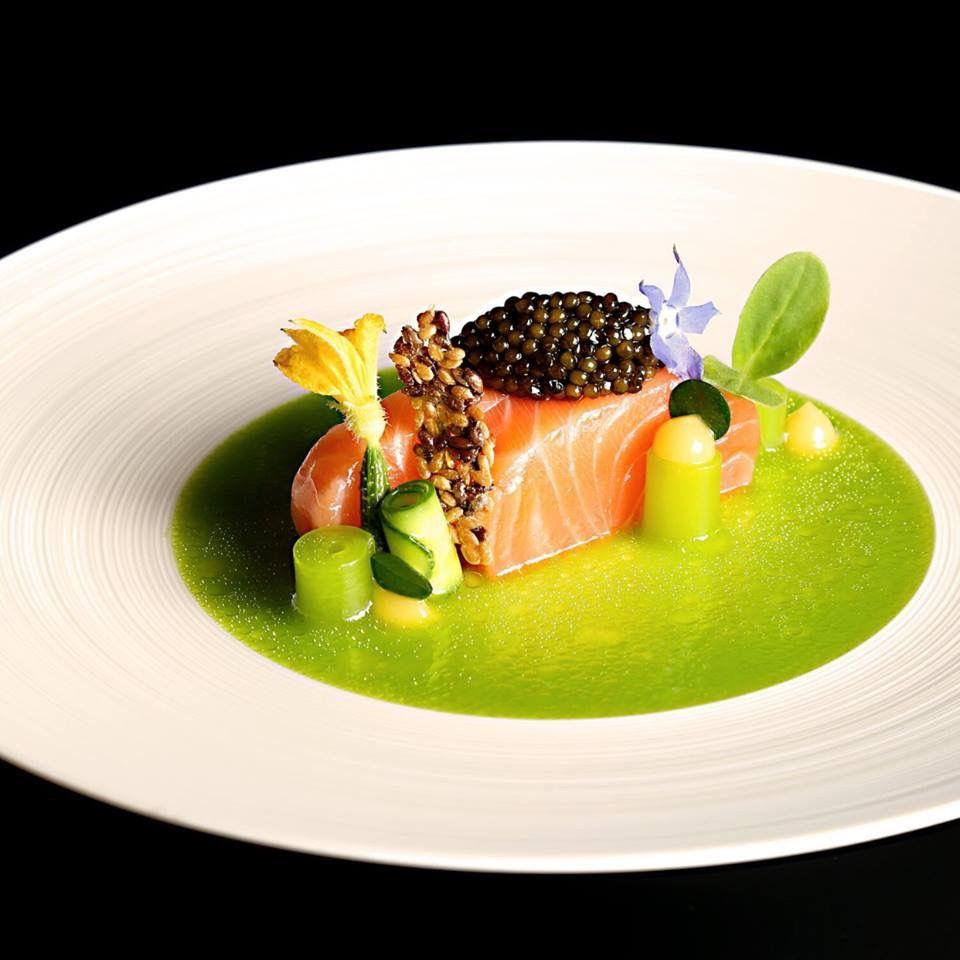
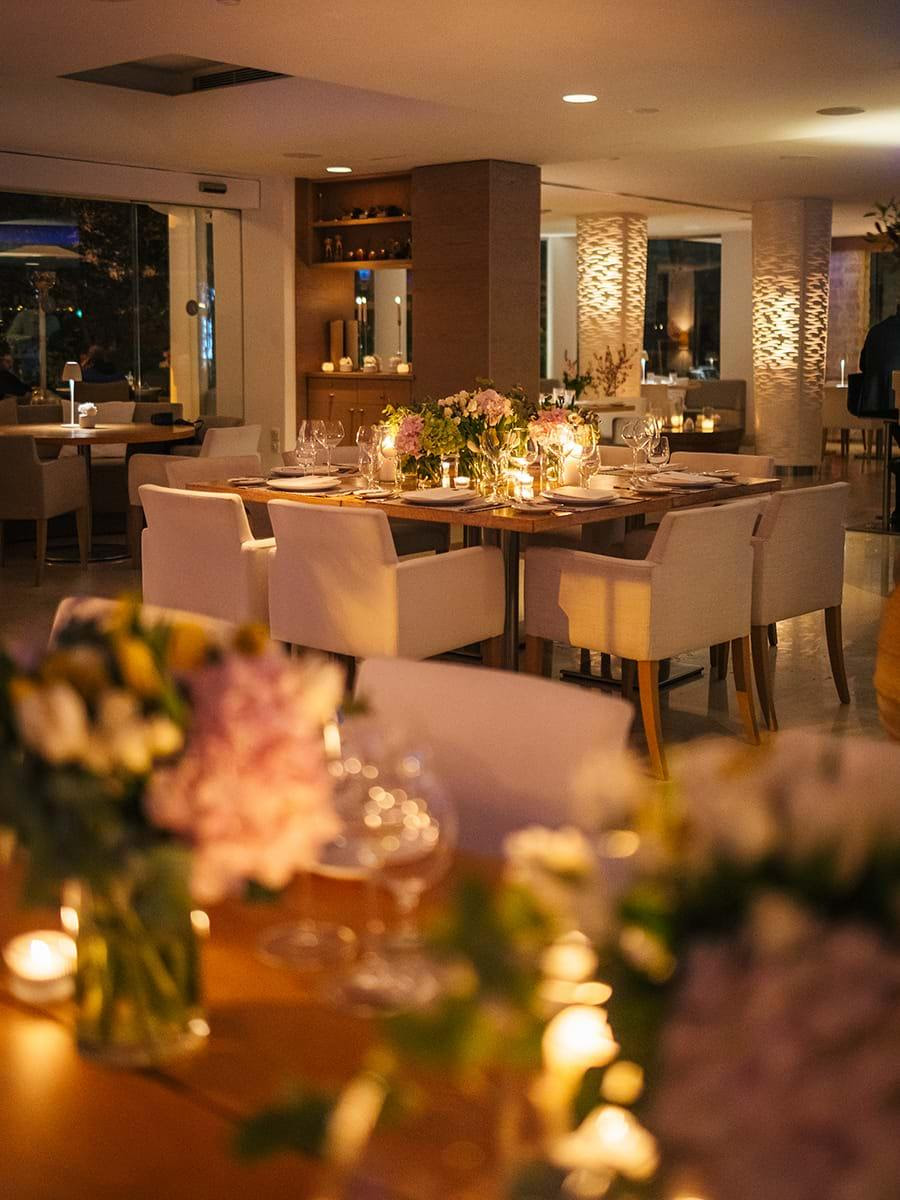
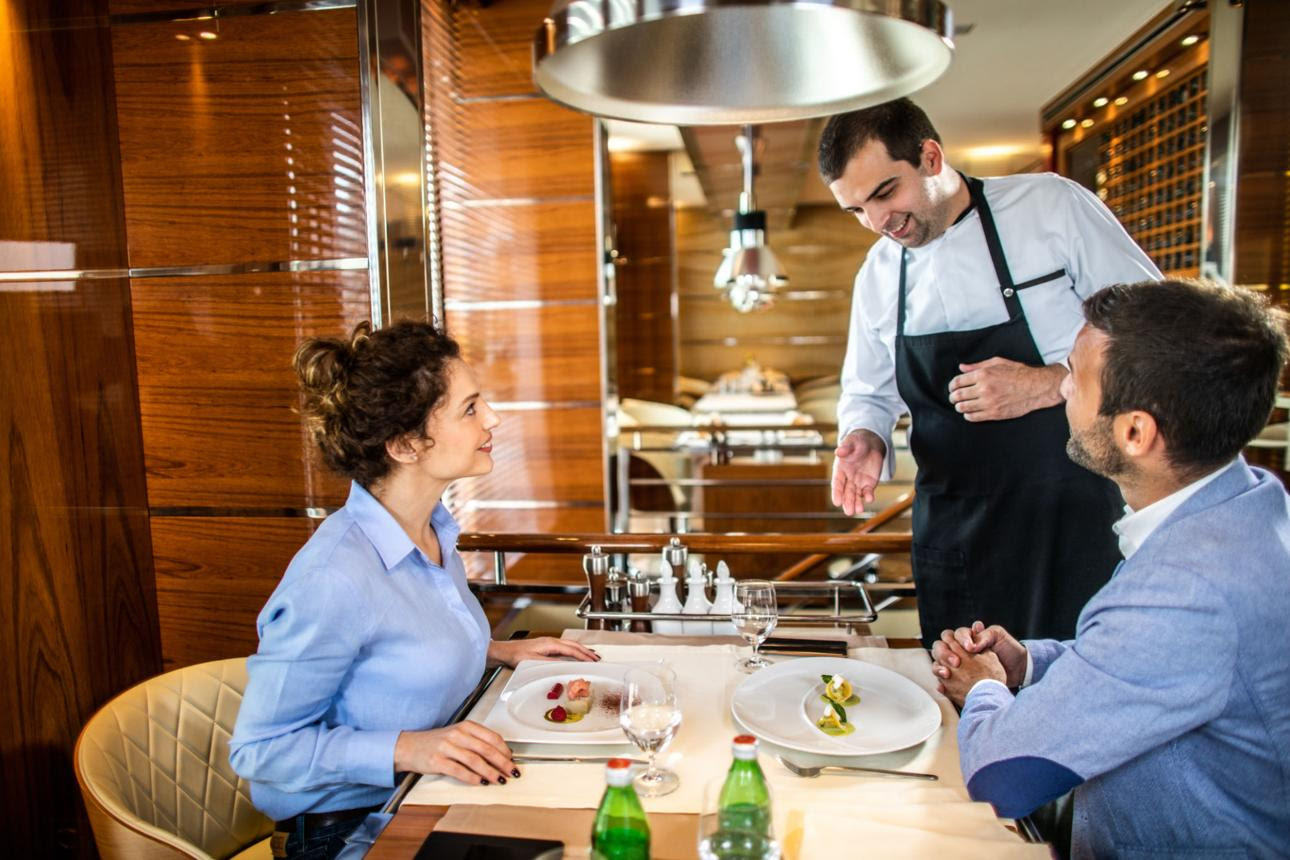
Ceviche and raw preparations — Gynura's clean acidity and soft texture integrate naturally, deepening balance without disruption.
Connects proteins with light herbaceous notes — complexity without the assertiveness of conventional greens.
Holds form and colour; contributes visually and aromatically as both a structural element and a finishing touch.
Clean acidity and green profile offer an unexpected, memorable counterpoint in sweet preparations and author's drinks.
An author's dinner is not simply a menu. It is a way to experience how food begins to work differently — how taste, satiation, and the feeling after eating change when the ingredient at the centre of every course is Gynura.
Chamber format. Limited guest count. A full tasting set assembled around one plant. Each course designed so that Gynura is not a garnish, but the unifying thread — connecting flavour and creating a single gastronomic state across the entire evening.
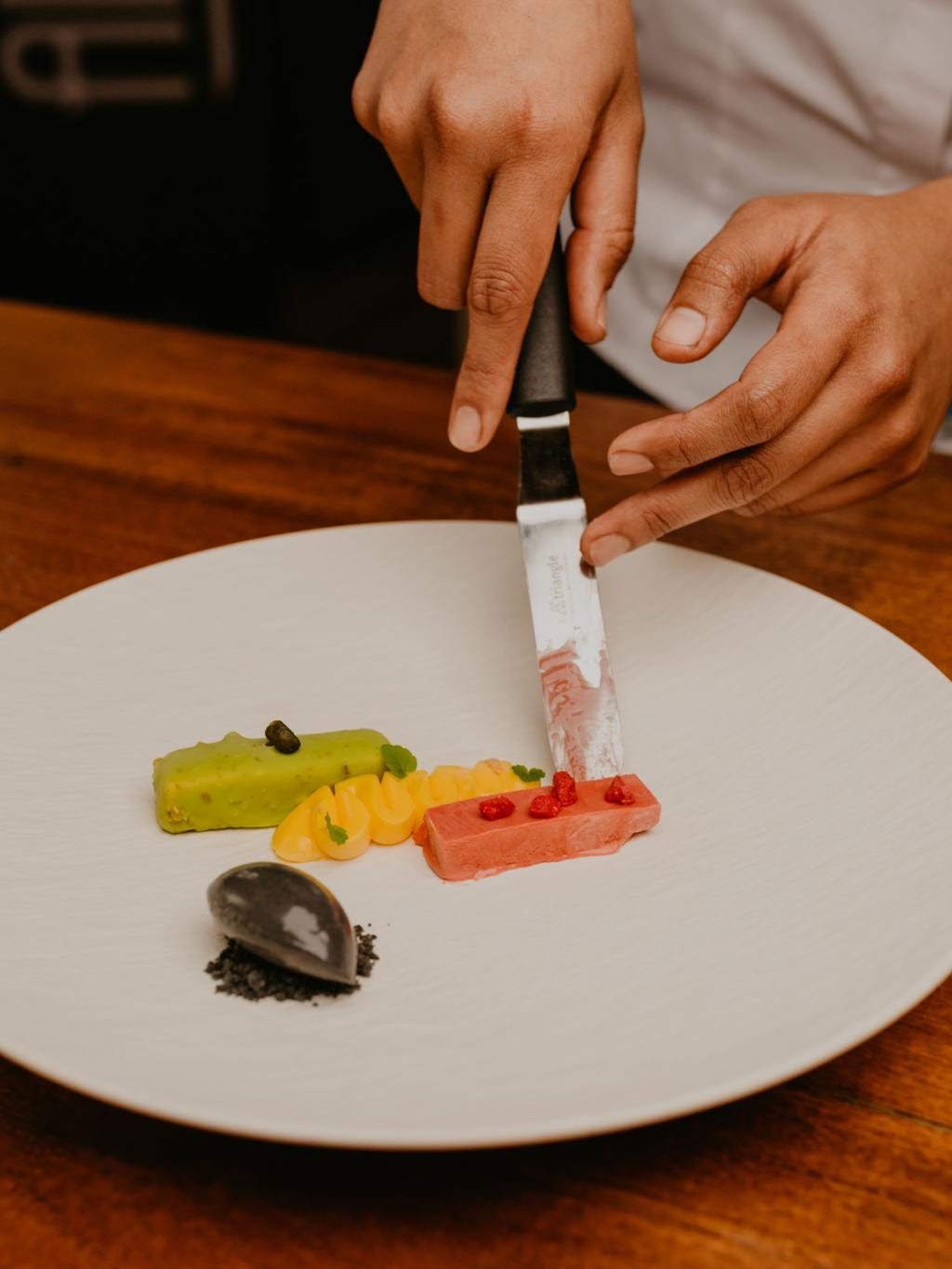
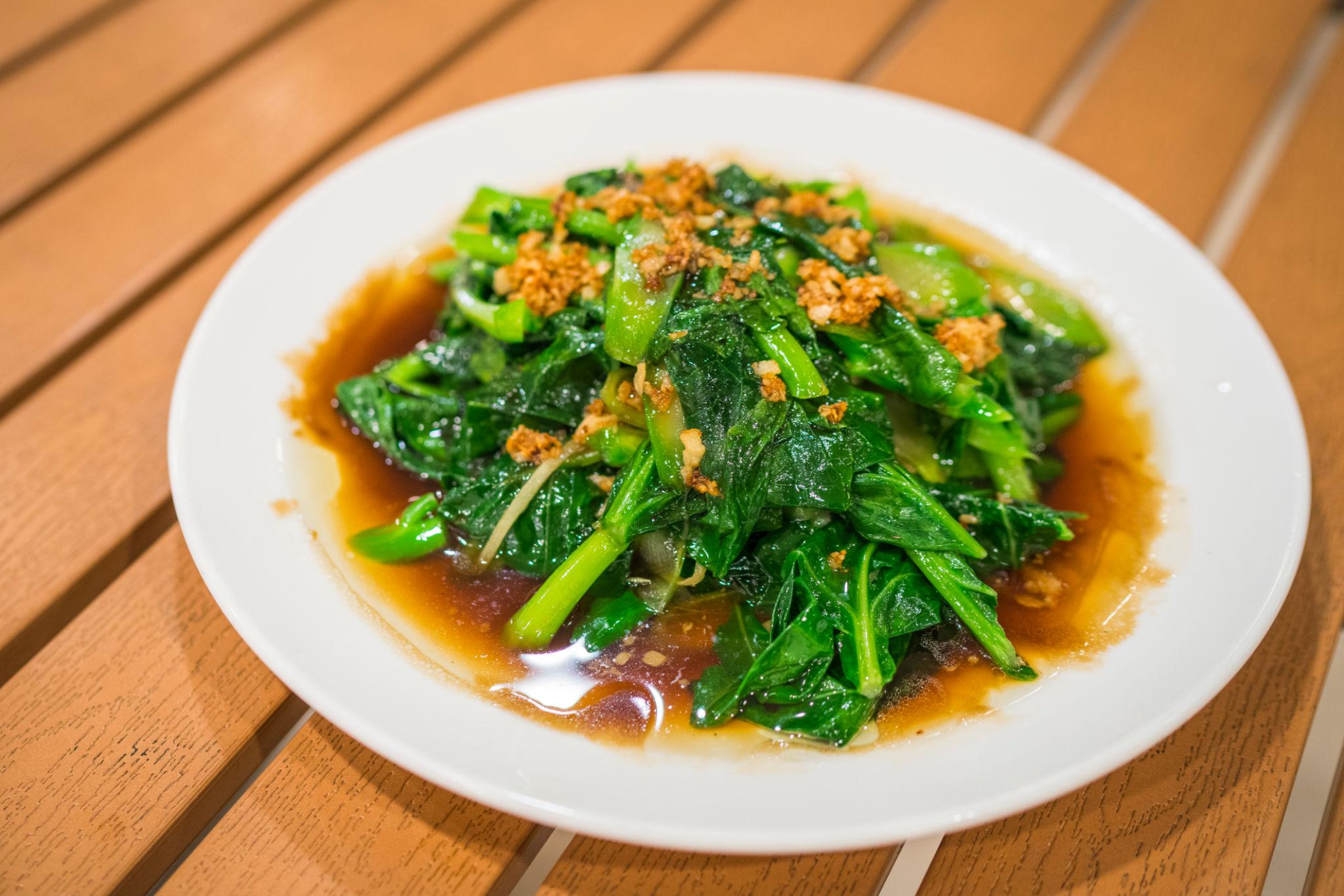
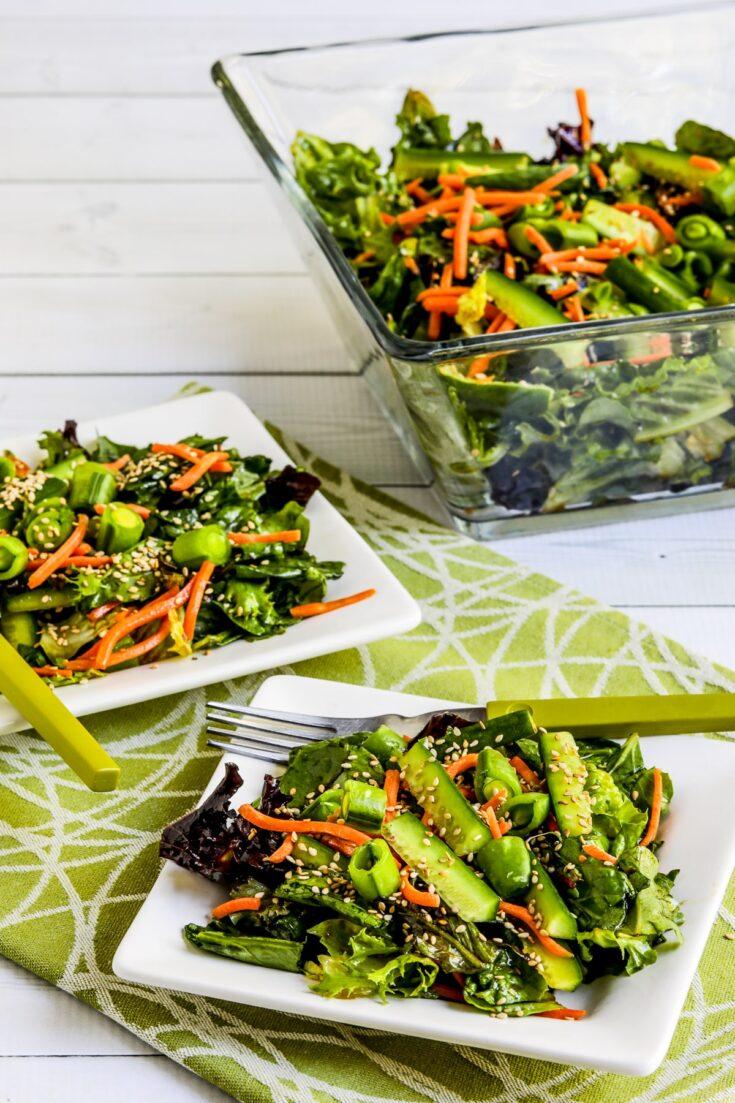
In Southeast Asia, Gynura has been part of the everyday diet for more than a thousand years — used in salads, hot dishes, soups, and drinks. Not as an additive, but as a complete ingredient in its own right.
In the countries of the region it is called "the spinach of longevity" and "the leaves of God." Valued for its ability to maintain balance: not to overload, but to equalise; not to stimulate, but to sustain.
Via Vitae has cultivated Gynura at the Gynura Hills Estate in Cyprus for 14 years, building a body of agronomic, clinical, and gastronomic knowledge around a single plant.
For three consecutive years, Gynura was used in the menu of ZEN Room — a high-cuisine restaurant on Cyprus. During this period it demonstrated consistent and sustained gastronomic applicability across multiple preparation formats: raw preparations, tartares, hot courses, and author's compositions.
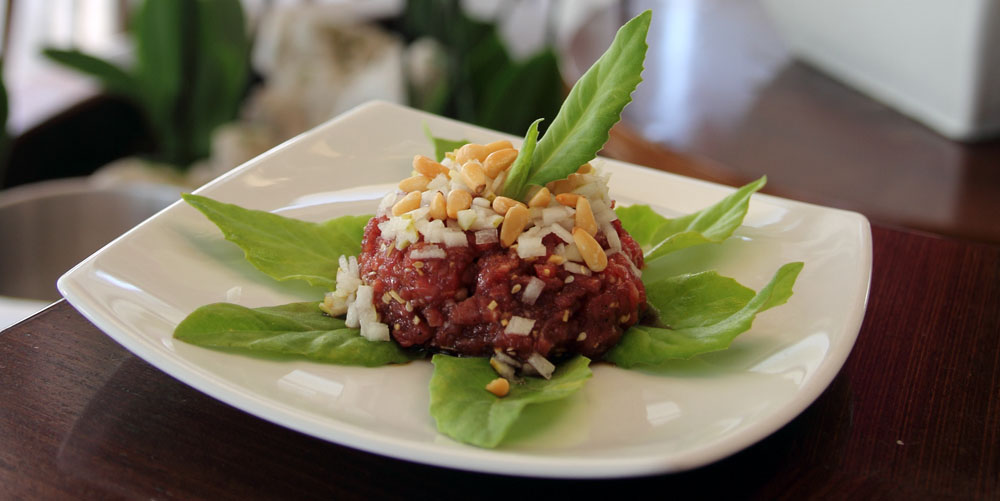
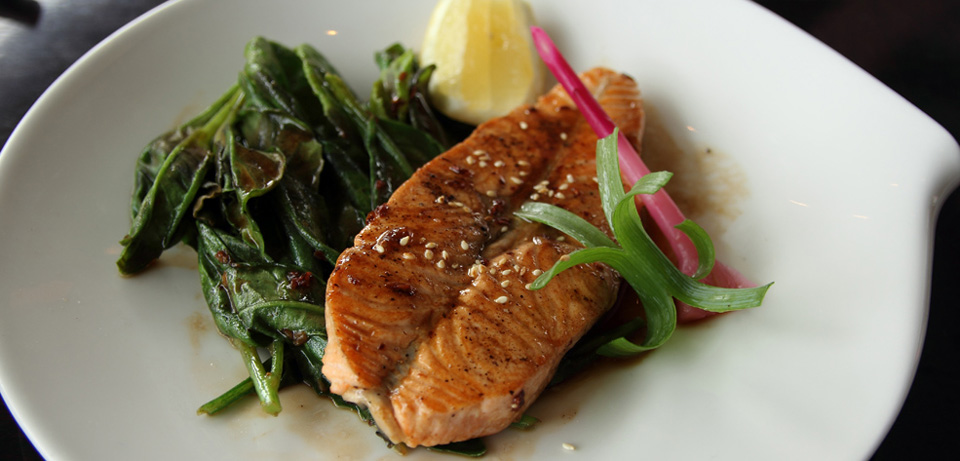
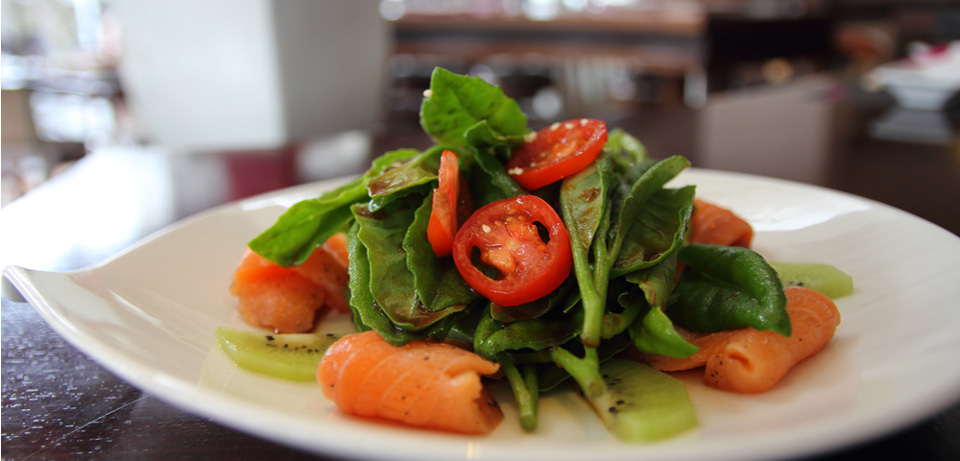
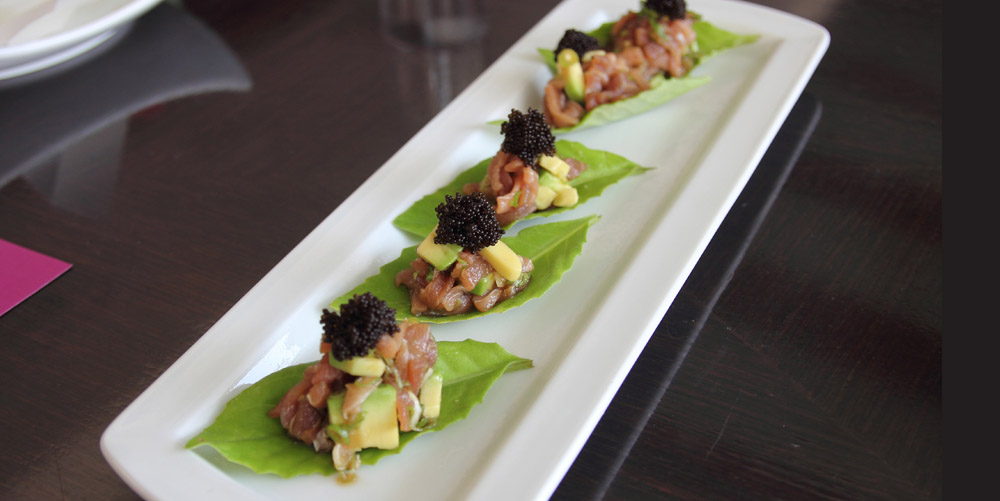
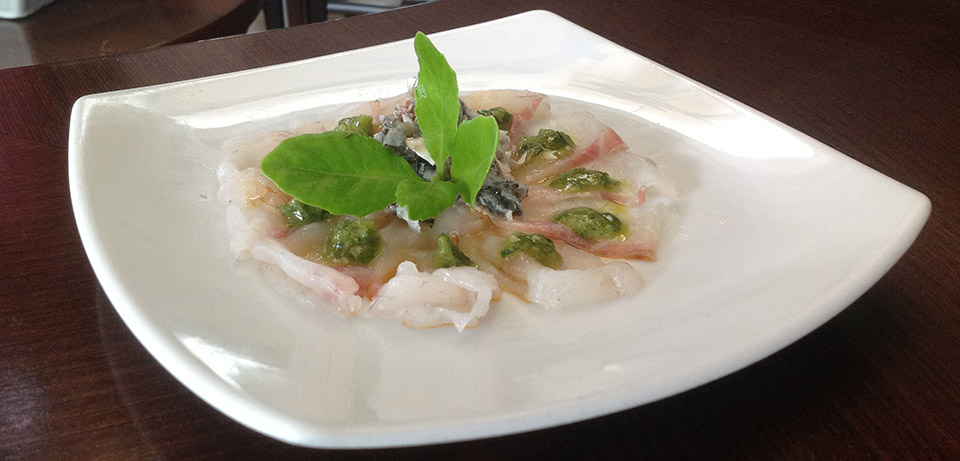
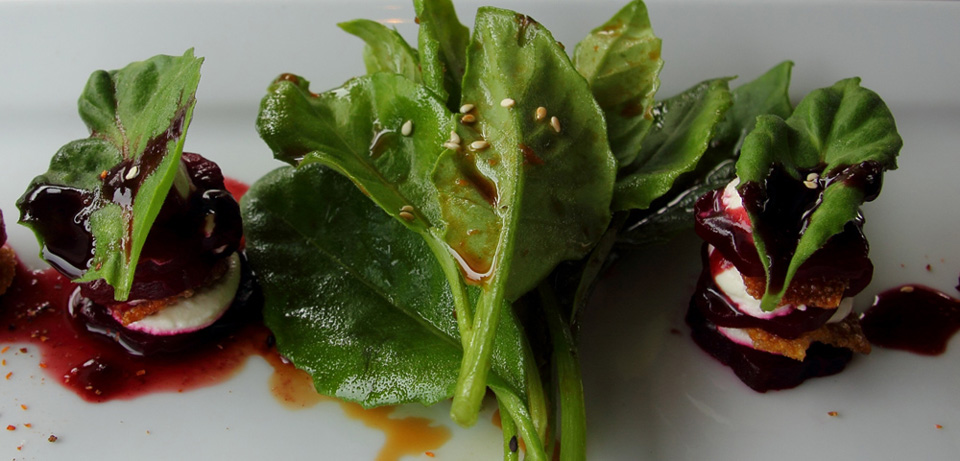
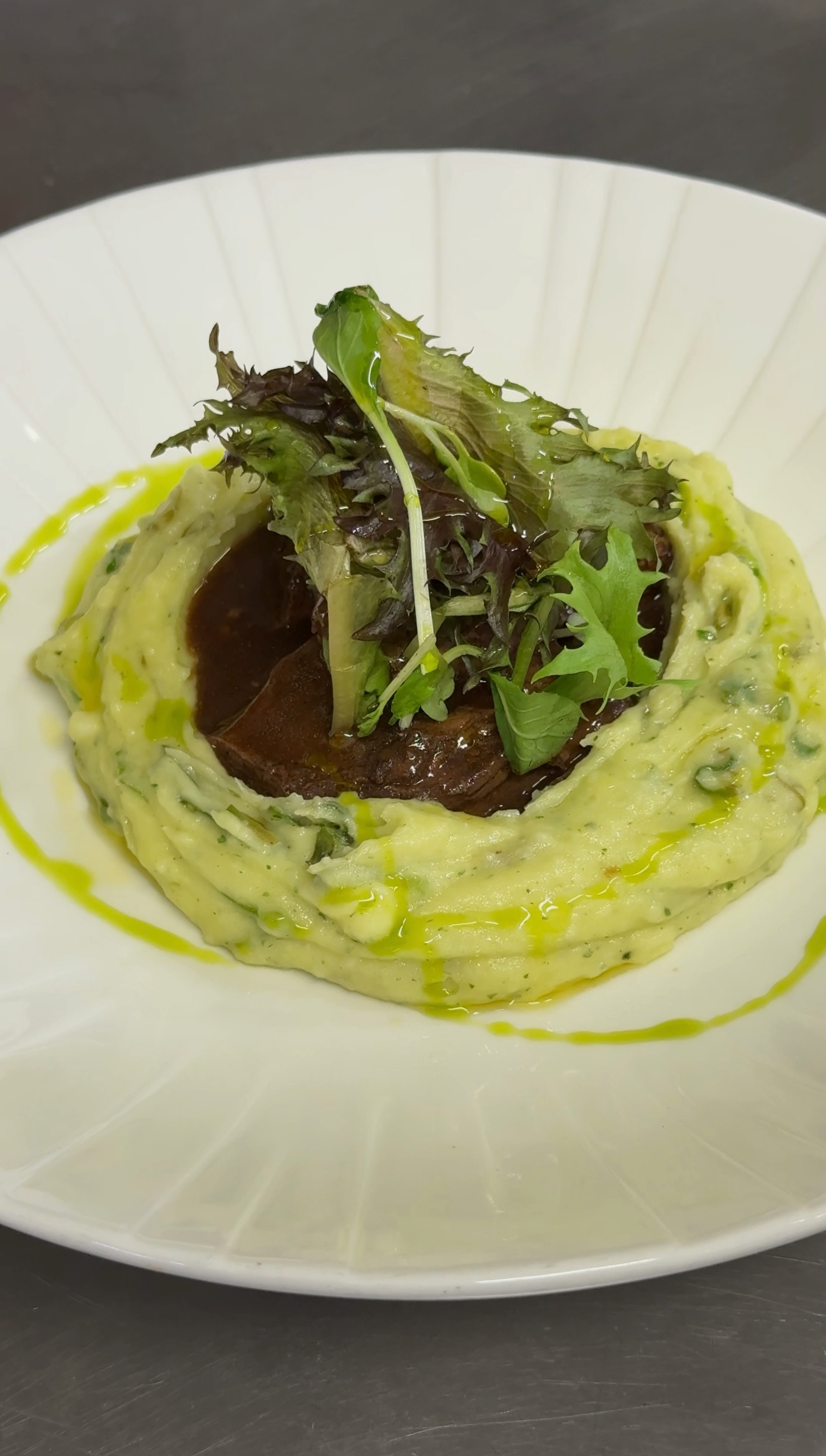
Gynura functions not as a decorative element — it shapes flavour, builds balance, and enhances the clarity of a dish. In every format tried over three years of service, it consistently proved its role as a foundational ingredient, not a supplementary one.
Building on three years of restaurant application, the next step was the first thematic dinner built entirely around Gynura — held at Baloo Restaurant, Cyprus.
Format: an author's tasting set, fully constructed around the plant. In every course, Gynura served as the unifying foundation — connecting taste and creating a single gastronomic state throughout the evening.
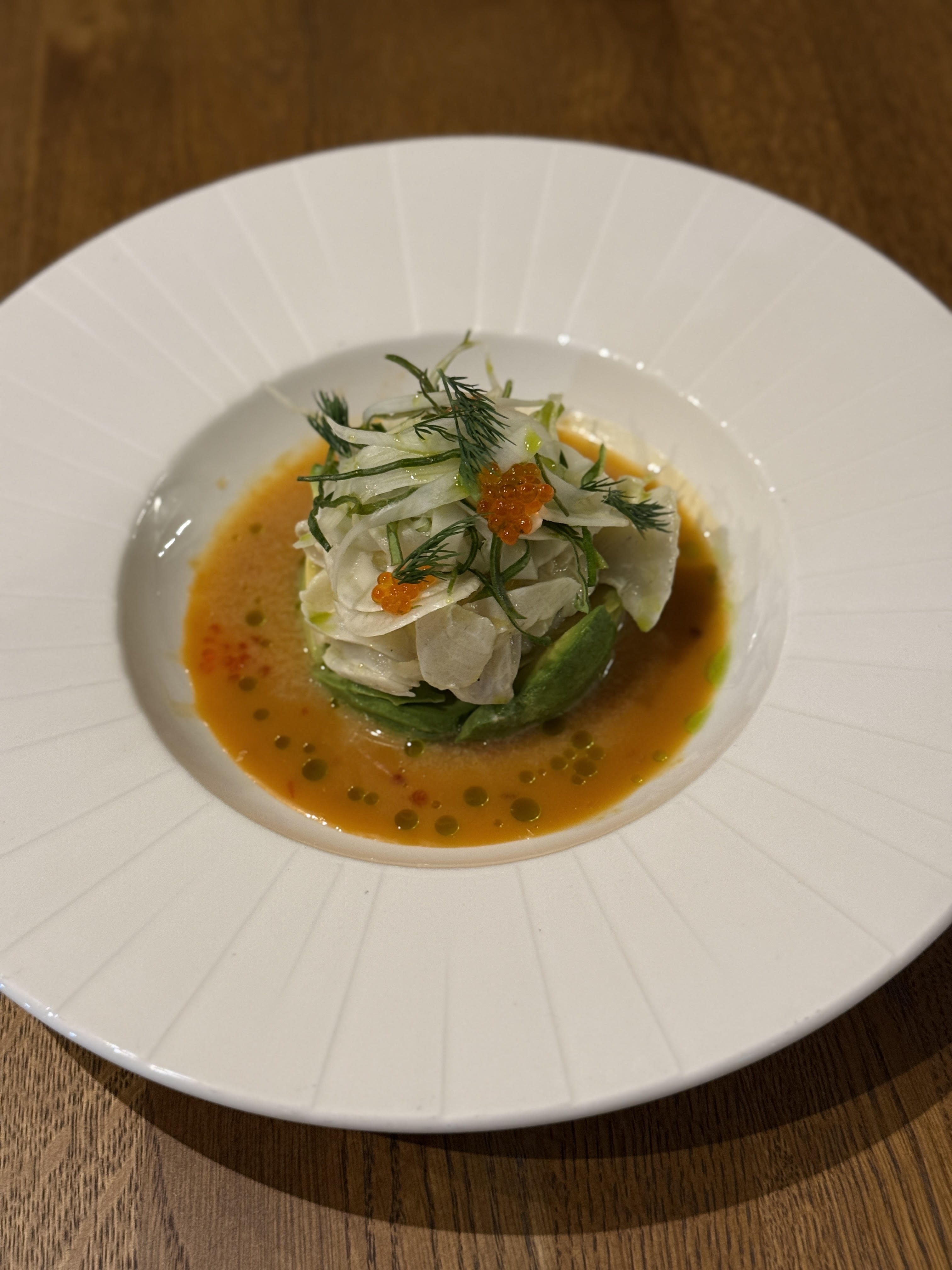
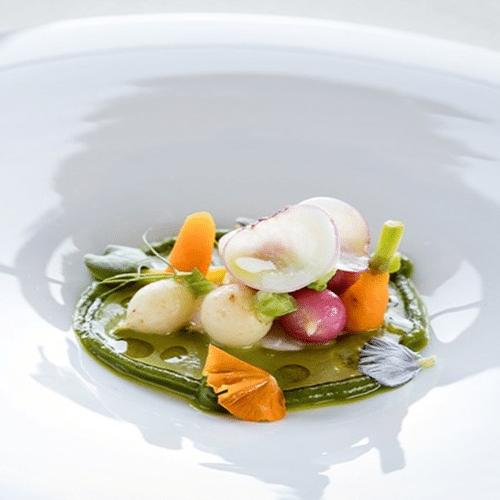
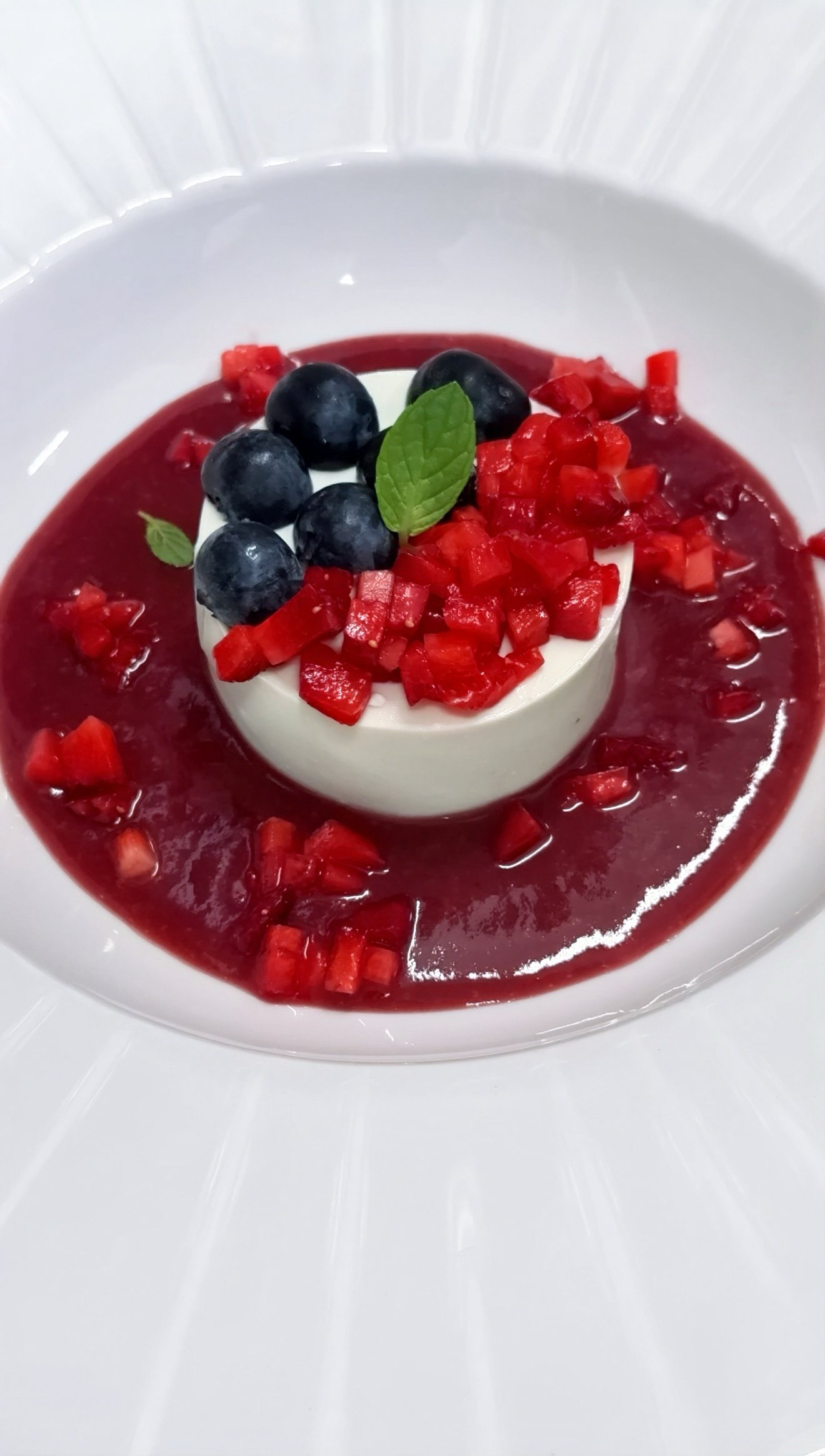
Food becomes lighter. Each course sits cleanly and moves through comfortably — no heaviness, no accumulation between dishes.
Taste becomes cleaner and more precise. The distinct profile of each dish is easier to read, easier to remember.
Satiation is calm and deep — not heavy, not rushed. The feeling carries through the entire evening and beyond.
Cyprus is becoming a point where a new approach is taking shape in gastronomy: not through restriction, but through taste; not through theory, but through direct, sensory experience.
In Southeast Asia, this has been understood for over a thousand years. On Cyprus, through the work of Via Vitae, it is now being offered in the language of fine dining and conscious culinary culture.
We work with restaurants seeking to bring functional gastronomy into their kitchen. Gynura is available as a fresh ingredient with full traceability — grown, cultivated, and delivered from the Via Vitae Estate on Cyprus.
Gynura procumbens is a food plant cultivated at the Via Vitae Estate, Cyprus. All gastronomic applications described on this page refer to its use as a food ingredient. This page does not constitute medical or nutritional advice.